
Common Legal Mistakes in New Jersey Real Estate Transactions
Are you wondering about common legal mistakes in New Jersey real estate transactions? This post will explain everything you need to know! Buying or selling real estate in New Jersey is a major financial decision, yet many people enter the process without fully understanding the legal risks involved. New Jersey real estate transactions are governed by specific state laws, strict timelines, and detailed contractual requirements. Even a small mistake can delay closing, trigger financial losses, or lead to costly legal disputes.
This guide explains the most common legal mistakes made in New Jersey real estate transactions and how they can be avoided. Whether you are a first-time homebuyer, an experienced investor, or selling property, understanding these issues can help protect your interests and ensure a smoother transaction.
The attorneys at H&S Law Group regularly assist buyers, sellers, landlords, and investors throughout Parsippany, Morris County, and across New Jersey with real estate matters, contract review, and dispute resolution.
13 Common Mistakes In NJ Real Estate Transactions
Mistake 1: Not Understanding New Jersey’s Attorney Review Period
One of the most misunderstood aspects of New Jersey real estate transactions is the attorney review period. In New Jersey, most residential real estate contracts prepared by a real estate agent include a three-business-day attorney review period. During this time, either party’s attorney may cancel or modify the contract for any reason.
Many buyers and sellers mistakenly believe the contract is fully binding as soon as it is signed. In reality, the attorney review period is a critical opportunity to address legal issues, negotiate better terms, or walk away if serious problems are discovered. Failing to consult a real estate attorney during this window can leave you locked into unfavorable terms once attorney review ends.
Mistake 2: Signing a Contract Without Legal Review
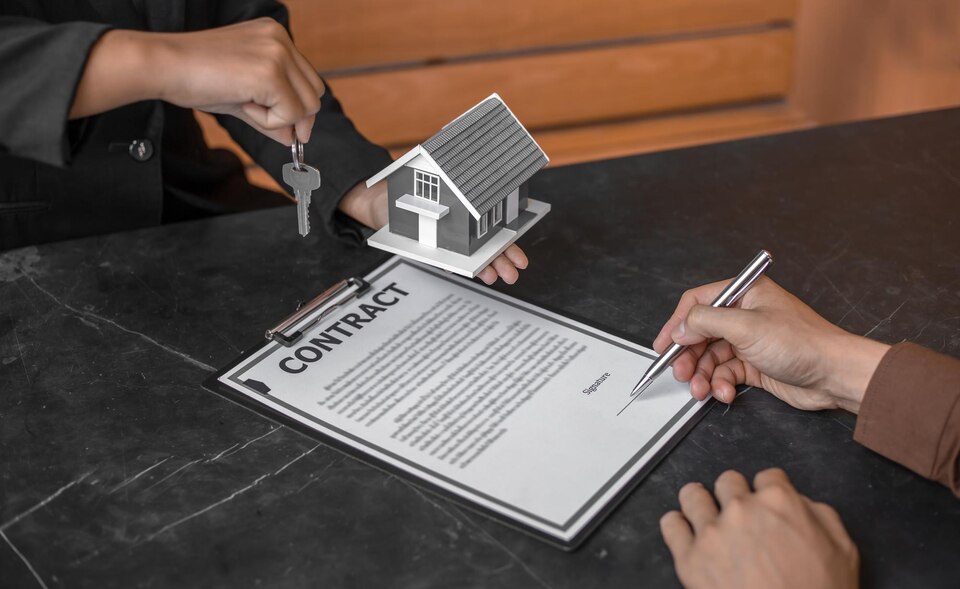
Some buyers and sellers assume that a standard real estate contract is safe because it is commonly used. However, these contracts are designed to protect the transaction, not necessarily your individual interests. Provisions related to inspection deadlines, financing contingencies, closing costs, and default penalties can have significant legal and financial consequences.
Signing a contract without having an attorney review it can expose you to unnecessary risk. An experienced New Jersey real estate attorney can identify vague language, one-sided clauses, or missing protections that could lead to disputes later in the process.
Mistake 3: Failing to Properly Address Home Inspection Issues
Home inspections often uncover issues ranging from minor repairs to serious structural, electrical, or environmental problems. A common mistake is assuming that inspection findings automatically entitle a buyer to repairs or price reductions. In reality, the contract governs how inspection issues must be handled and within what timeframe.
Buyers who miss inspection deadlines or fail to submit written repair requests properly may lose the ability to negotiate or cancel the contract. Sellers, on the other hand, may inadvertently agree to open-ended repair obligations that create delays or additional costs. Legal guidance helps ensure inspection issues are addressed clearly and enforceably.
Mistake 4: Overlooking Title Issues and Liens
Title issues are among the most serious problems that can arise in a New Jersey real estate transaction. A property may have outstanding liens, unpaid taxes, judgments, or ownership disputes that affect the buyer’s ability to obtain clear title.
Some buyers assume that title insurance alone resolves all risks. While title insurance is important, identifying and resolving title defects before closing is essential. Failure to do so can result in post-closing disputes, unexpected financial obligations, or even challenges to ownership. A real estate attorney reviews title searches and works with title companies to ensure issues are properly cleared before closing.
Mistake 5: Not Understanding Closing Costs and Financial Obligations
New Jersey real estate transactions involve more than just the purchase price. Buyers and sellers may be responsible for closing costs such as attorney fees, title insurance premiums, transfer fees, prorated taxes, and lender-related expenses.
A common mistake is assuming that these costs will be minimal or automatically handled. Misunderstanding financial obligations can lead to last-minute disputes or closing delays. An attorney can explain anticipated costs upfront and ensure that the closing statement accurately reflects agreed-upon terms.
Mistake 6: Missing Critical Deadlines
Real estate contracts are deadline-driven. Financing contingencies, inspection periods, appraisal timelines, and closing dates all require timely action. Missing a deadline can result in the loss of a deposit, termination of the contract, or legal liability for breach.
Buyers may lose their right to cancel if financing falls through, while sellers may face penalties if they fail to meet contractual obligations. Having legal oversight helps ensure deadlines are tracked and addressed properly throughout the transaction.
Mistake 7: Improper Handling of Financing Contingencies
Financing contingencies protect buyers if they are unable to secure a mortgage, but these clauses must be carefully drafted and followed. A common mistake is assuming that a financing contingency provides unlimited protection regardless of effort or timing.
Most contracts require buyers to act in good faith to obtain financing and to notify the seller promptly if issues arise. Failure to comply with these requirements may result in the loss of the deposit. Legal guidance ensures financing contingencies are clear, enforceable, and properly exercised when necessary.
Mistake 8: Underestimating the Risk of Seller Disclosures
New Jersey law requires sellers to disclose certain known defects and conditions. However, disputes often arise over what should have been disclosed and whether a seller had actual knowledge of a problem.
Buyers who rely solely on disclosures without further investigation may later discover costly issues. Sellers who fail to disclose material defects may face legal claims after closing. A real estate attorney can help sellers understand disclosure obligations and help buyers evaluate whether disclosures are adequate.
Mistake 9: Assuming Real Estate Agents Handle Legal Issues
Real estate agents play an important role in facilitating transactions, but they are not attorneys and cannot provide legal advice. Some parties mistakenly rely on agents to interpret contracts, resolve legal disputes, or advise on risk exposure.
Legal issues such as contract enforcement, title defects, zoning concerns, and boundary disputes require legal expertise. Consulting an attorney ensures that legal decisions are made with a full understanding of potential consequences.
Mistake 10: Ignoring Zoning, Use, and Municipal Restrictions
Zoning laws, local ordinances, and homeowner association rules can significantly affect how a property may be used. Buyers sometimes assume they can renovate, rent, or operate a business without restriction, only to discover limitations after closing.
Failing to investigate zoning and municipal requirements can result in fines, denied permits, or legal disputes. An attorney can help review zoning compliance and identify restrictions that may impact your plans for the property.
Mistake 11: Poorly Drafted or Misunderstood Amendments
Real estate transactions often involve amendments to address inspection issues, financing changes, or closing date extensions. Poorly drafted amendments can create ambiguity or conflict with the original contract.
Relying on informal agreements or verbal assurances is especially risky. All changes should be documented clearly and reviewed by an attorney to ensure they are legally enforceable and consistent with the parties’ intentions.
Mistake 12: Not Preparing for Closing Day Issues
Even when a transaction appears ready to close, issues can arise at the final stage. Errors in closing documents, last-minute lien discoveries, or unresolved repair disputes can delay or derail closing.
Buyers and sellers who are unprepared may feel pressured to proceed despite unresolved problems. Having an attorney present ensures that closing documents are accurate and that your rights are protected before funds are transferred and ownership changes hands.
Mistake 13: Failing to Address Post-Closing Disputes
Some legal issues do not surface until after closing. These may include undisclosed defects, boundary disputes, or disagreements over escrowed funds. Many parties assume that closing ends all legal responsibilities, which is not always the case.
Understanding your rights and obligations after closing is critical. Legal counsel can help resolve post-closing disputes efficiently and protect your investment.
Why Legal Guidance Is Essential in New Jersey Real Estate Transactions
New Jersey real estate law is complex, and even experienced buyers and sellers can make costly mistakes. Legal representation provides clarity, risk management, and advocacy throughout the transaction process. An attorney’s role is not just to review documents, but to anticipate problems, negotiate solutions, and protect your long-term interests.
Whether you are buying your first home, selling investment property, or involved in a real estate dispute, having the right legal support can make a meaningful difference in the outcome of your transaction.
Work With H&S Law Group for Your New Jersey Real Estate Needs
H&S Law Group assists clients with residential and commercial real estate transactions throughout Parsippany, Morris County, and across New Jersey. The firm provides comprehensive legal guidance, from contract review and attorney review negotiations to closing representation and dispute resolution.
If you are planning a real estate transaction or facing a real estate-related issue, consulting with an experienced New Jersey real estate attorney can help you avoid common mistakes and move forward with confidence.
1719 NJ-10, Suite 224, Parsippany, NJ 07054
Contact H&S Law Group to schedule a consultation and protect your interests in your next New Jersey real estate transaction. You should now better understand the 13 common legal mistakes with New Jersey real estate transactions.